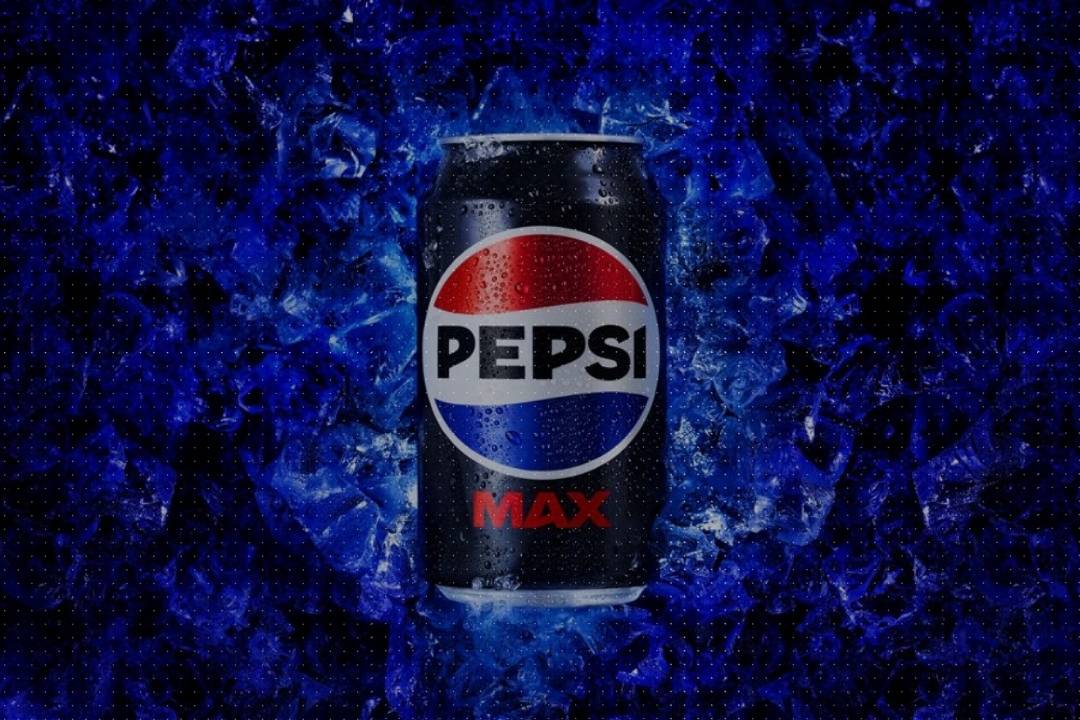
Sell more soda. Don't touch the price.
Pepsi wanted to lift in-store purchases of Pepsi and Pepsi Max — without discounts, without bundles, without any of the margin-eating levers brands usually pull when they want a fast sales number.
The arena: grocery and hypermarket aisles, the loudest shelf space in retail, where every beverage brand is fighting for the same three seconds of attention. The constraint: a seven-day flight. One week to prove that screens could do what price cuts usually do.
Quotable, self-contained, sourced — Blindspot case data, June 2026
- Pepsi & Pepsi Max ran this campaign on Blindspot's self-serve DOOH platform; objective: impulse purchases.
- Measured outcomes — Flight: 7 days · Headline result: +168% sales.
- Headline result: +168% sales, verified against campaign data rather than panel estimates.
- Booked the way every Blindspot campaign books: exact screens, exact hours, per-play pricing visible upfront, no minimums — the same model behind 30%+ savings vs traditional buys.
Catch the thirst at the moment of decision
Beverage purchases are impulse decisions — quick, low-consideration, made standing in front of a fridge. So instead of broad awareness messaging, Blindspot built a point-of-sale-first strategy: intercept the shopper exactly where and when the decision happens.
Screens inside partner supermarkets and hypermarkets were mapped to beverage and impulse-purchase zones — fridges, drink aisles, checkout lines. Programmatic delivery meant the creative ran only during peak shopping hours, so none of the short flight was wasted on empty stores.
Seven days, hundreds of screens
Across hundreds of high-traffic grocery screens, the Pepsi creative ran continuously near fridges, beverage shelves, and checkout paths — maximum exposure at the point of sale, for exactly the hours that mattered.
No re-uploads, no manual scheduling, no approval bottlenecks mid-flight. The plan ran the way it was booked.
The shelf moved
Results were measured the only way that counts for retail media: at the till, comparing campaign-week sales in screened stores against the prior week.
The lingering +10% matters as much as the headline: shoppers didn't just grab a bottle once — the campaign shifted preference, and it kept paying after the screens went quiet.
The lingering +10% matters as much as the headline: shoppers didn't just grab a bottle once — the campaign shifted preference, and it kept paying after the screens went quiet.
Context beats discounting
When you reach high-intent shoppers exactly where and when decisions are made, you don't need to pay for the sale twice — once in media and again in margin.